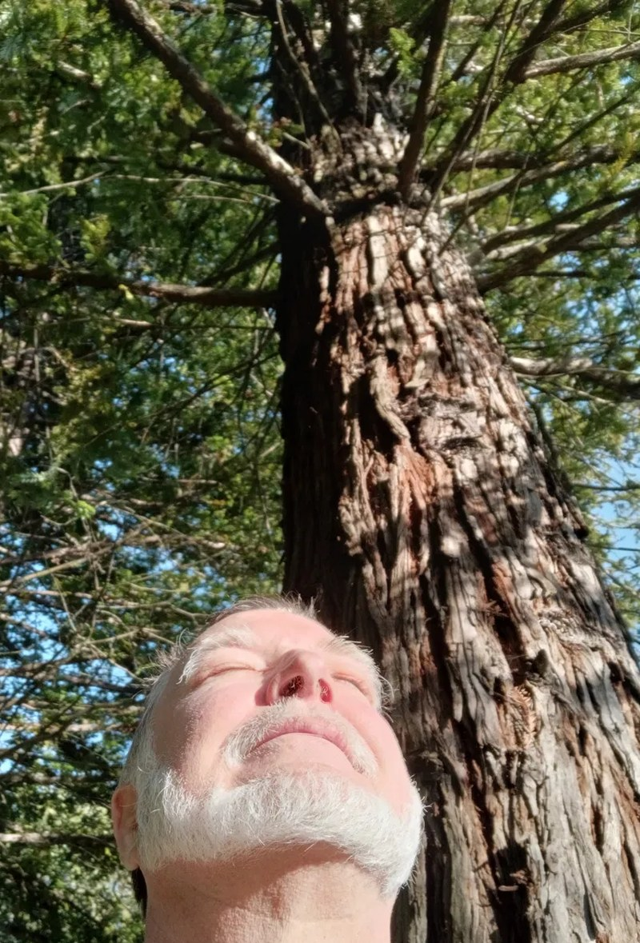
I'm a writer and graduate student in Marriage and Family Therapy, working at the intersection of developmental psychology and philosophy. My claim is a simple one: the self isn't found. It's built — assembled through decisions, relationships, and pressure, often without our consent. I write about that claim, and what it costs to test it, at Deep Dives with Dave.
Psychology is good at describing mechanisms — attachment, reinforcement, the slow architecture of a personality. Philosophy is better at asking what any of that is for. My B.A. in Psychology (Magna Cum Laude, Sonoma State University, following an A.A. from Santa Rosa Junior College) and current MFT training sit in the gap between the two — closer to the literature that names what goes wrong in a life than to the harder question of how a person puts one back together.
Some of that gap, I know firsthand: a back injury that led to opioid dependency, then alcohol, then years finding my way out — alongside undiagnosed ADHD and a suicidal crisis that ended one version of my life. I mention it once, briefly, because it's the evidence behind the claim, not the subject of it.
I'm also a licensed real estate agent, which turns out to be another vantage point on people mid-transition — a divorce, a death, an attempt to build a different life somewhere else.